The Cardiovascular Risk is the probability of an individual developing fatal or non-fatal atherosclerotic cardiovascular event over a given time period.
This is the result of the combined effect of several Cardiovascular Risk Factors that may or may not be modifiable.
Cardiovascular risk factors
Modifiable
Arterial Hypertension
Hypercholesterolemia
Metabolic Syndrome and Diabetes
Overweight and Obesity
Smoking
Sedentarism
Non-modifiable
Age
Sex
Race
Family medical history.
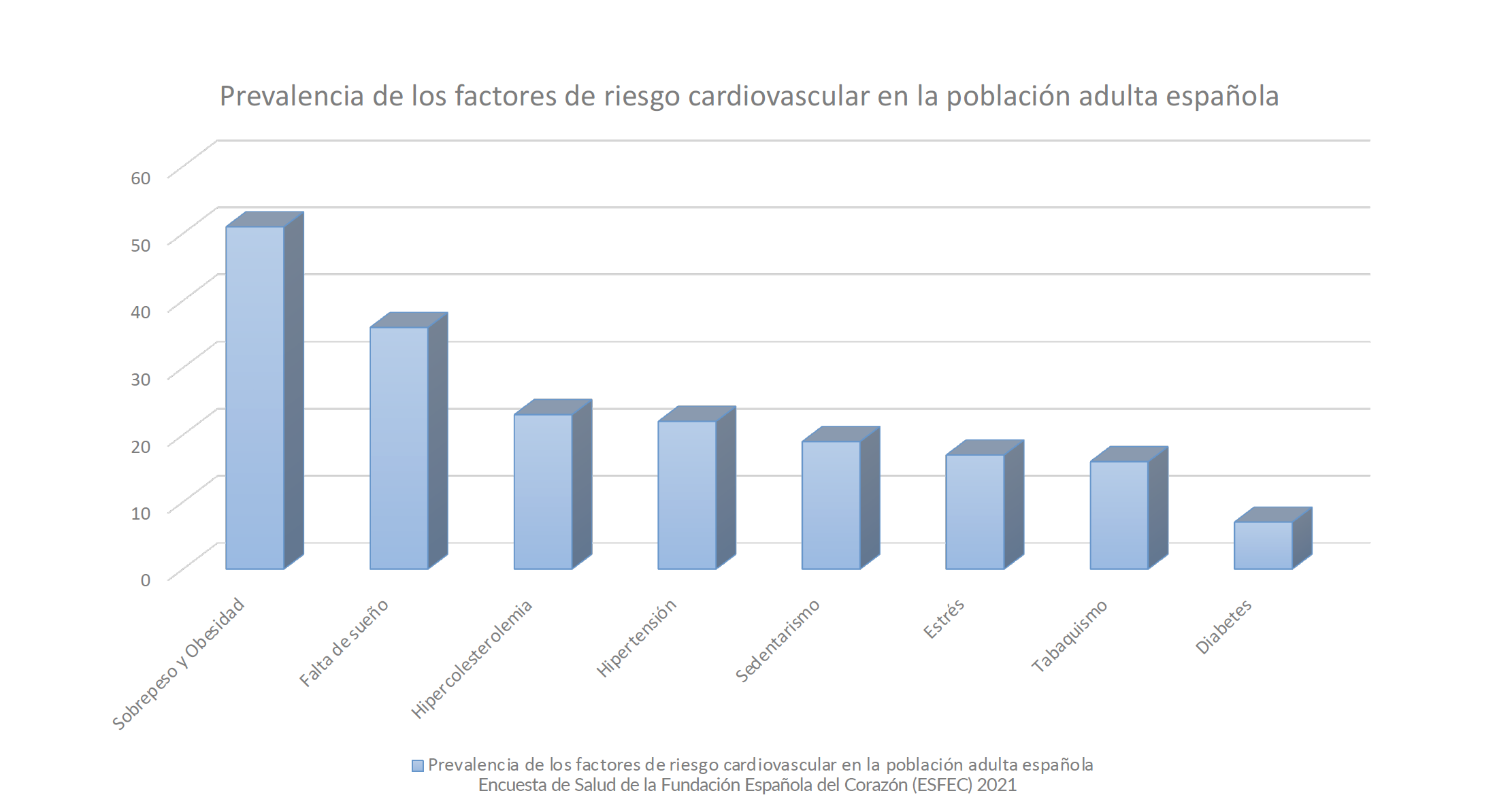
Recently there has been an increase in some of the Cardiovascular Risk Factors (CRF), such as obesity and diabetes.
How does a cardiovascular event occur?
The event is caused by the accumulation of fatty deposits inside the arteries lumen, known as arteriosclerosis. This, in association with other cardiovascular risk factors named above, increases the risk of heart and vascular disease, either in cerebral vessels or in other peripheral areas.
Population studies have demonstrated that elevated levels of LDL cholesterol (Low Density Lipoprotein) and other apolipoproteins, are directly associated with the risk of having an atherosclerotic cardiovascular event (ASCVE).
Study of cardiovascular risk factors
The study of cardiovascular risk factors requires a complete medical history, a physical examination and a study with some specific tests. With this information we will achieve an accurate diagnosis and establish a therapeutic plan for preventing a cardiovascular event.
The diagnostic tests in the study of cardiovascular risk factors most frequently used are:
Complete blood test.
Electrocardiogram.
Carotid Doppler Ultrasound.
24-Hour Ambulatory Blood
Pressure Monitoring (ABPM).
Is erectile dysfunction related to cardiovascular risk factors?
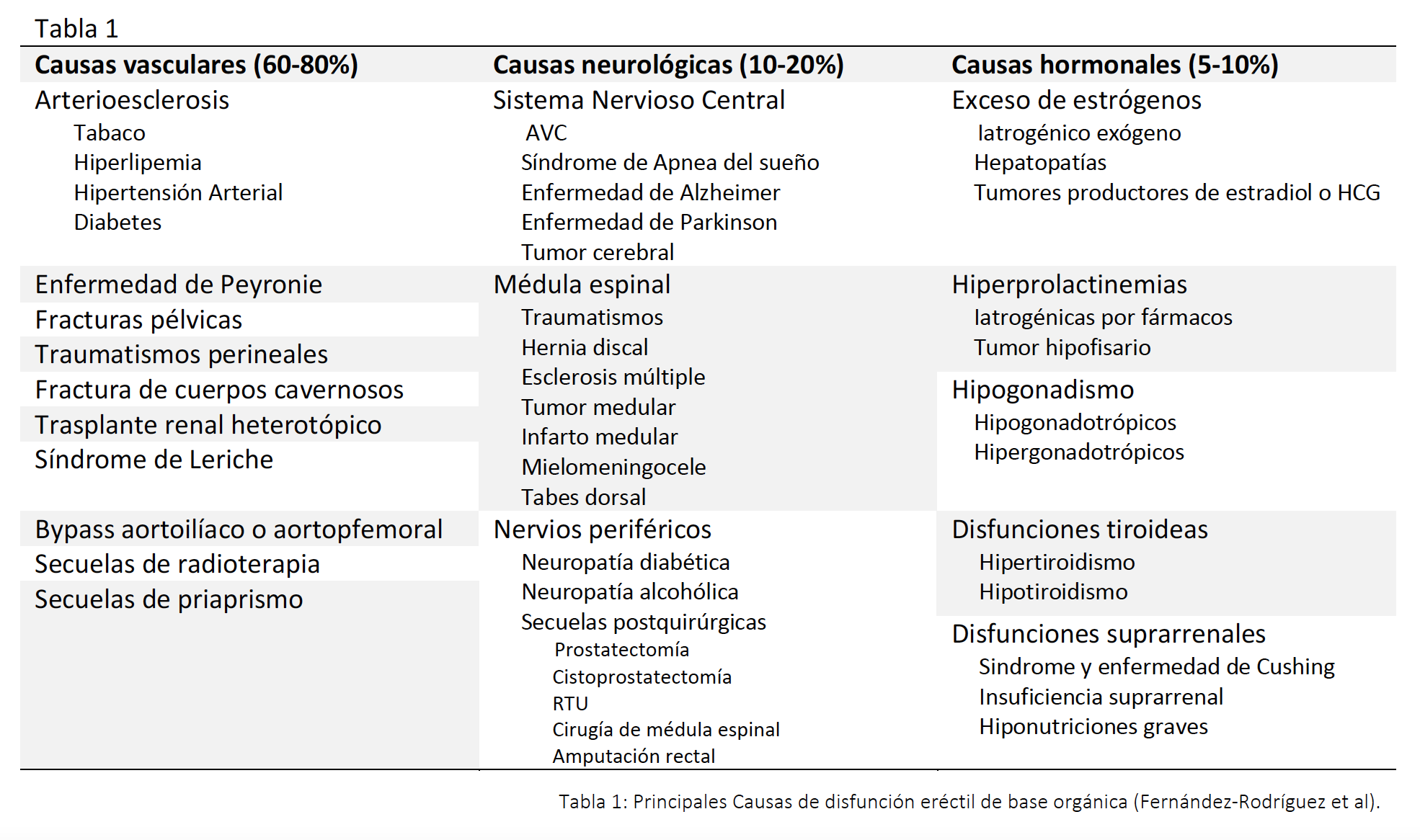
A normal erectile function requires the coordination of vascular, neurological, cavernous, hormonal and psychological factors. The alteration of any of these factors could cause erectile dysfunction.
Traditionally, the causes of erectile dysfunction have been classified as organic, psychological or mixed.
Nowadays we know that 80% of the cases correspond to organic causes.
Cardiovascular risk factors (smoking, hyperlipidemia, high blood pressure, diabetes, etc.) are the most common cause of vascular erectile dysfunction. The good news is that we can treat them.
Cardiovascular risk factors (smoking, hyperlipidemia, high blood pressure, diabetes, etc.) are the most common cause of vascular erectile dysfunction. The good news is that we can treat them.
High blood pressure can also cause erectile dysfunction due to the arterial disease it causes.
Hyperlipidemia causes cholesterol to build up in the arteries, leading to peripheral artery disease and increasing the likelihood of erectile dysfunction.
Unhealthy habits such as smoking, obesity, and lack of exercise can contribute to erectile dysfunction by affecting blood flow in the vessels.
Erectile dysfunction can therefore be a marker of cardiovascular risk and could indicate arterial disease in other locations as well (Figs. 1 and 2). For this reason, it is important to conduct a study to specifically address all additional cardiovascular risk factors.
How can I reduce my Cardiovascular Risk?
As we have explained before, cardiovascular risk is the effect of the combination of the different cardiovascular risk factors, that’s why an integral approach will be necessary.
Depending on the result of the cardiovascular risk study, an individualized therapeutic plan will be established for each patient. This will generally consist on:
Non-pharmacological measures
Non-pharmacological measures include weight loss, dietary measures, physical activity, and decreased consumption of tobacco and alcohol. It has been seen that weight loss and dietary changes can reduce blood triglyceride levels by up to 70%.
Physical activity also plays an important role as it can lower these levels by up to 30% more.
Pharmacological measures
If an adequate control of risk factors is not achieved with non-pharmacological measures, administration of specific drugs may be necessary according to the needs of each patient and the risk factor to be treated (antihypertensives, antidiabetics, lipid-lowering medication, etc.).