



Testosterone Replacement Therapy (TRT)

What is TRT and when is it indicated?

TRT is the treatment indicated for patients with hypogonadism (low testosterone). Its goal is to restore testosterone to physiological ranges in order to improve sexual, psychological, and cardiometabolic symptoms caused by the deficiency.

Who can benefit?

Men with confirmed low testosterone and compatible symptoms who are looking for:

Libido

Regain energy, libido and sexual performance.

Fuerza

Improve body composition and muscle strength.

Hueso

Prevent loss of bone mineral density.

Cognitivo

Optimize cognitive and emotional well-being.

How is TRT performed and what options are available?

Testosterone Replacement Therapy (TRT) can be administered in different ways depending on the patient’s age, lifestyle, preferences, and clinical needs. All approaches aim to restore testosterone to physiological levels and improve the symptoms associated with hypogonadism.

La Terapia de Reemplazo de Testosterona (TRT) se puede administrar de distintas formas, en función de la edad, estilo de vida, preferencias y necesidades clínicas del paciente. Todas ellas buscan restaurar niveles fisiológicos de testosterona y mejorar los síntomas asociados al hipogonadismo.

1

Testosterone options available in Spain

  • Transdermal gels (Testogel): daily application. They provide stable control of testosterone levels and flexible dose adjustment, with one of the fastest responses after starting treatment.
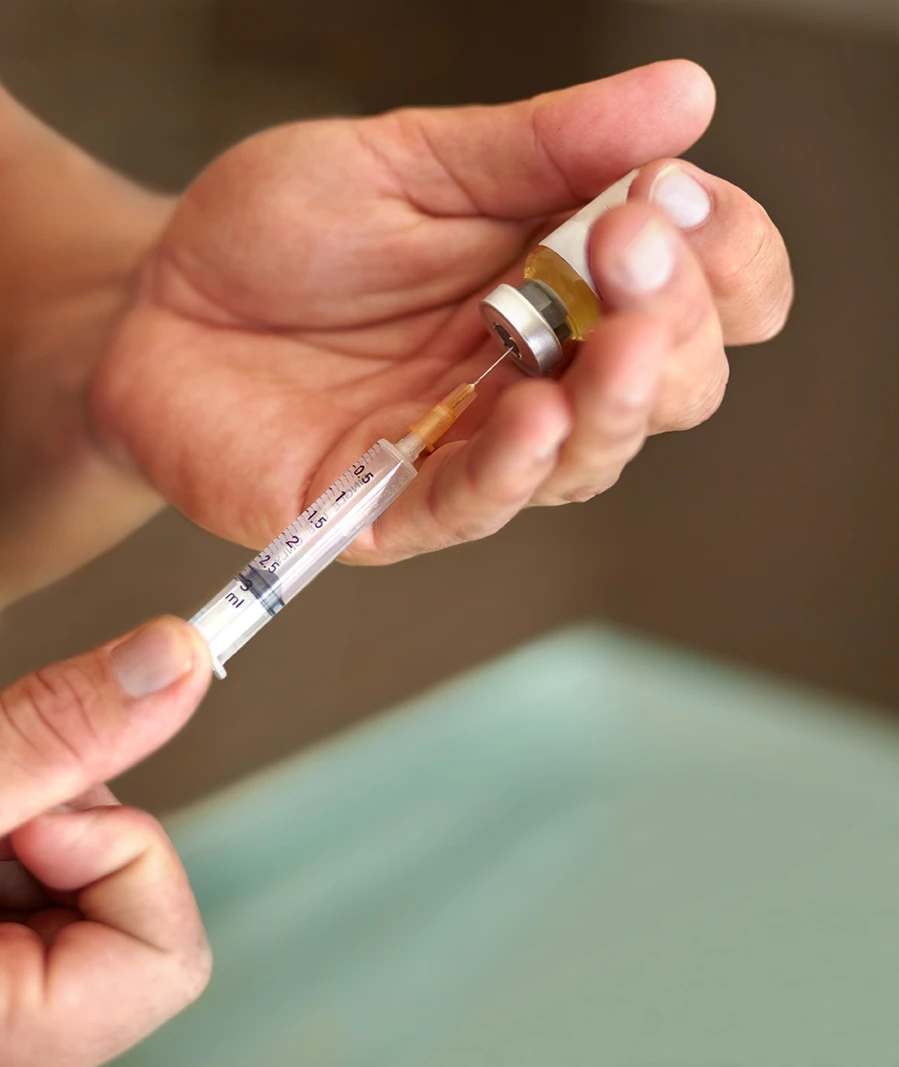
  • Short-acting injections (cypionate or enanthate – Testex Prolongatum): recommended in daily microdoses to minimize peaks and troughs that occur when injected every 1–3 weeks.
  • Long-acting injections (testosterone undecanoate – Reandron): administered every 8–12 weeks. They provide stable levels and require fewer injections than short-acting formulations.
  • Pellets: subcutaneous implants with sustained release of testosterone.
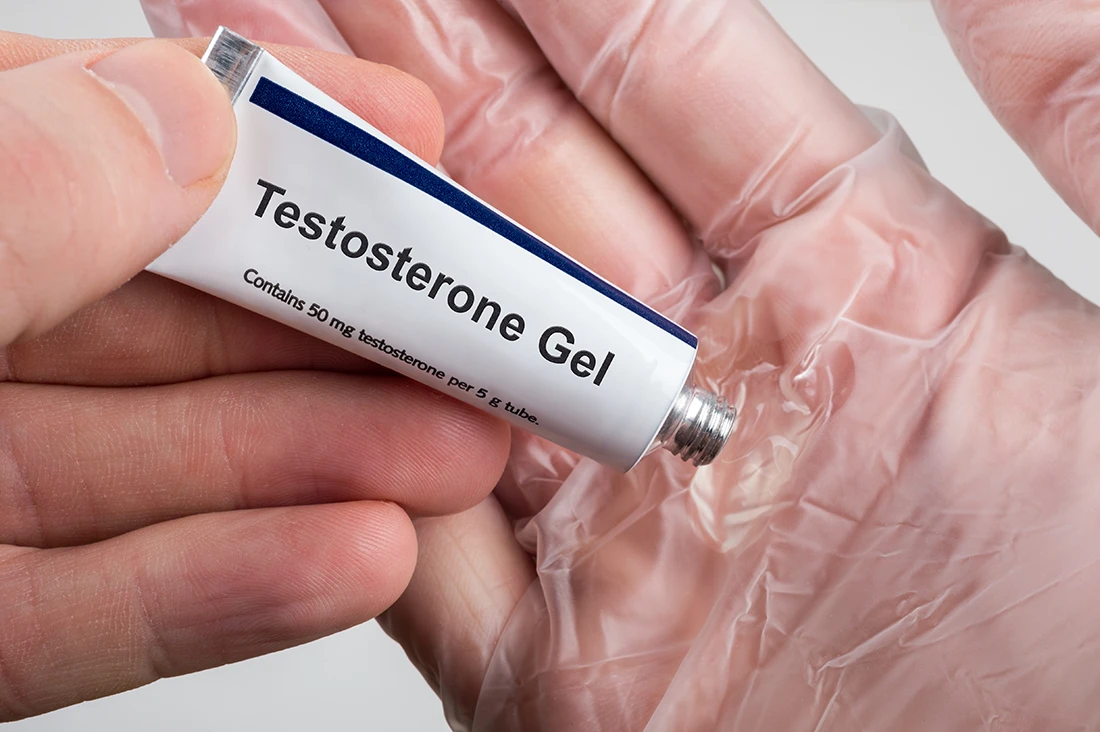
Geles de testosterona
Inyecciones de testosterona

2

Alternatives and complementary therapies (to avoid infertility and testicular atrophy)

In some patients —especially younger men who wish to preserve fertility, or those who want to avoid testicular atrophy— classical TRT may not be the first choice, since it can suppress sperm production and, with long-term use, lead to testicular shrinkage. In such cases, alternatives may include:

  • SERMs (Selective Estrogen Receptor Modulators – clomiphene citrate): stimulate the hypothalamic-pituitary-gonadal axis, increase natural testosterone production and preserve spermatogenesis and testicular size.
  • HCG (human chorionic gonadotropin – Ovitrelle): mimics LH, directly stimulates the testes to produce testosterone and sperm. Can be used alone or with TRT.
  • Aromatase inhibitors (anastrozole, letrozole): reduce testosterone conversion to estradiol. Useful in functional hypogonadism, obesity, or excess aromatization (always under strict medical supervision).

The key: Individualized treatment

The choice of therapy depends on:

  • Age and overall health status.
  • Desire to maintain fertility.
  • Preferences regarding convenience (daily gel vs. periodic injections).
  • Safety profile and possible side effects.

At Andrología Mallorca we design personalized TRT plans, combining classical TRT or alternatives such as SERMs, HCG or aromatase inhibitors depending on each patient’s profile and goals.

Is TRT safe? How is it monitored?

TRT is safe when prescribed and monitored correctly. Our protocol depends on the type and route of administration but always includes:

Paso 1

Hormonal blood tests (testosterone, LH, FSH, PRL, estradiol, hematocrit, lipid profile, liver enzymes, PSA depending on age and risk).

Paso 2

Evaluation of symptoms and side effects.

Paso 3

Lifestyle guidance: exercise, weight management, sleep, apnea, alcohol, tobacco.

Contraindicado

When is TRT contraindicated?

  • Advanced or metastatic prostate cancer.
  • Uncontrolled polycythemia.
  • Untreated severe sleep apnea.
  • Recent cardiovascular event.
  • Severe symptomatic benign prostatic hyperplasia.
Indicado

When is TRT not contraindicated? Common myths about TRT

  • Localized or treated prostate cancer.
  • Mild BPH under treatment.
  • Cured breast cancer.
  • Treated sleep apnea.
  • Controlled heart disease.

Why choose Andrología Mallorca?

Centro Médico Planas - Andrología Mallorca

We have a specialized unit in men’s health and clinical andrology, which allows us to perform accurate diagnoses with appropriate testing and expert interpretation for each patient. We offer:

Personalized TRT (gel, injectable, or pellets) and specific protocols to preserve fertility and testicular size.

Close, safe follow-up aligned with international clinical guidelines.

Fast access to urology, andrology, laboratory, and complementary testing.

FAQs

Not always. It is often long-term when testosterone deficiency is persistent, but in secondary or functional hypogonadism (such as that associated with overweight or obesity), treatment may be temporary. In all cases, we assess the patient’s response, safety, and preferences.

It can temporarily (and in some cases permanently) suppress sperm production. For men seeking paternity, we consider alternatives or combination plans to protect fertility during TRT.

TRT may cause some reduction in testicular size because external testosterone suppresses internal hormone and sperm production. This effect is usually mild and reversible, and not medically harmful. However, in men wishing to maintain fertility or avoid the aesthetic change, strategies like HCG or SERMs can prevent it during TRT.

Possible effects include mild acne, slight fluid retention, increased hematocrit, or changes in lipid and liver profiles. With good monitoring and personalized adjustment, these are typically well controlled.

Most men with low testosterone–related symptoms report improvement in energy, libido, and sexual performance — especially when combined with optimization of sleep, exercise, and nutrition.

This depends on the route of administration and specific symptoms:

  • Short-acting injections (enanthate/cypionate): 1–2 weeks.
  • Gels: often the fastest; improvements appear soon after starting.
  • Long-acting injections (undecanoate): more gradual, typically after 4–6 weeks, stabilizing after the second dose.


Sexual symptoms, mood, and energy improve first; muscle mass, bone density, and body composition take longer — usually 3–6 months.

  • Gels: after 6–8 weeks, then every 3–6 months.
  • Short-acting injections: after 5–6 weeks, then every 3–6 months.
  • Long-acting injections: after the second dose, then every 6–12 months.


In all cases, we review symptoms, hormone levels, hematocrit, lipid and liver profiles, and, depending on age, prostate parameters.

No. TRT is only indicated for men with compatible symptoms and confirmed low testosterone in repeated blood tests.

If your testosterone levels are normal, TRT is not recommended — it may suppress your natural production, impair fertility, and cause side effects without providing benefits.

In such cases, other causes (stress, sleep, metabolism, sexual or psychological issues) should be evaluated and treated specifically.

Regain your energy and well-being

Book your consultation if you suspect low testosterone and would like to explore TRT at Andrología Mallorca.

Privacy Overview

This website uses cookies so that we can provide you with the best user experience possible. Cookie information is stored in your browser and performs functions such as recognising you when you return to our website and helping our team to understand which sections of the website you find most interesting and useful.