Barcelona has once again positioned itself as a hub for medical innovation with the XII Course on Prosthetic and Reconstructive Urogenital Surgery, a well-established reference in advanced urological surgery.
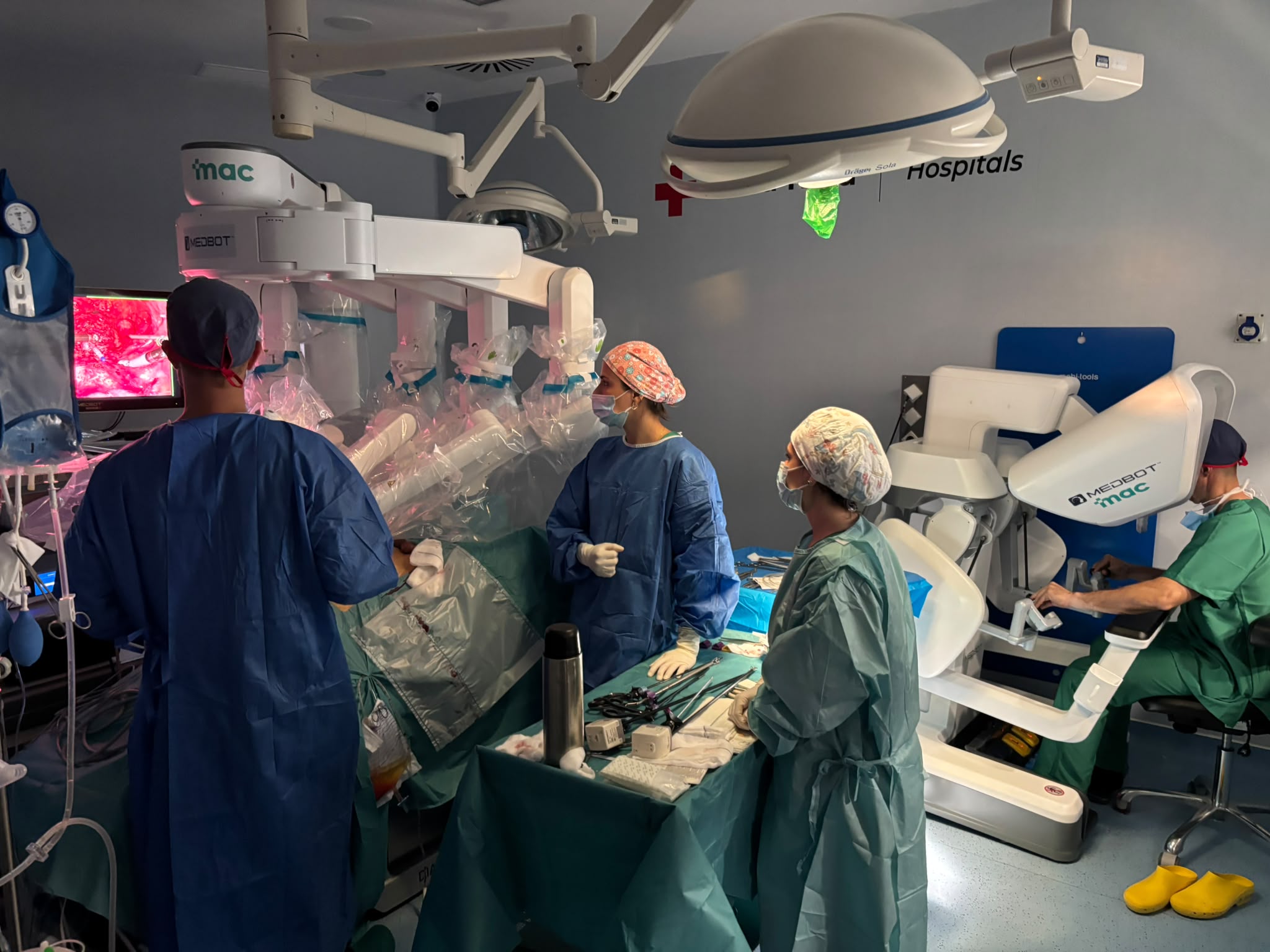
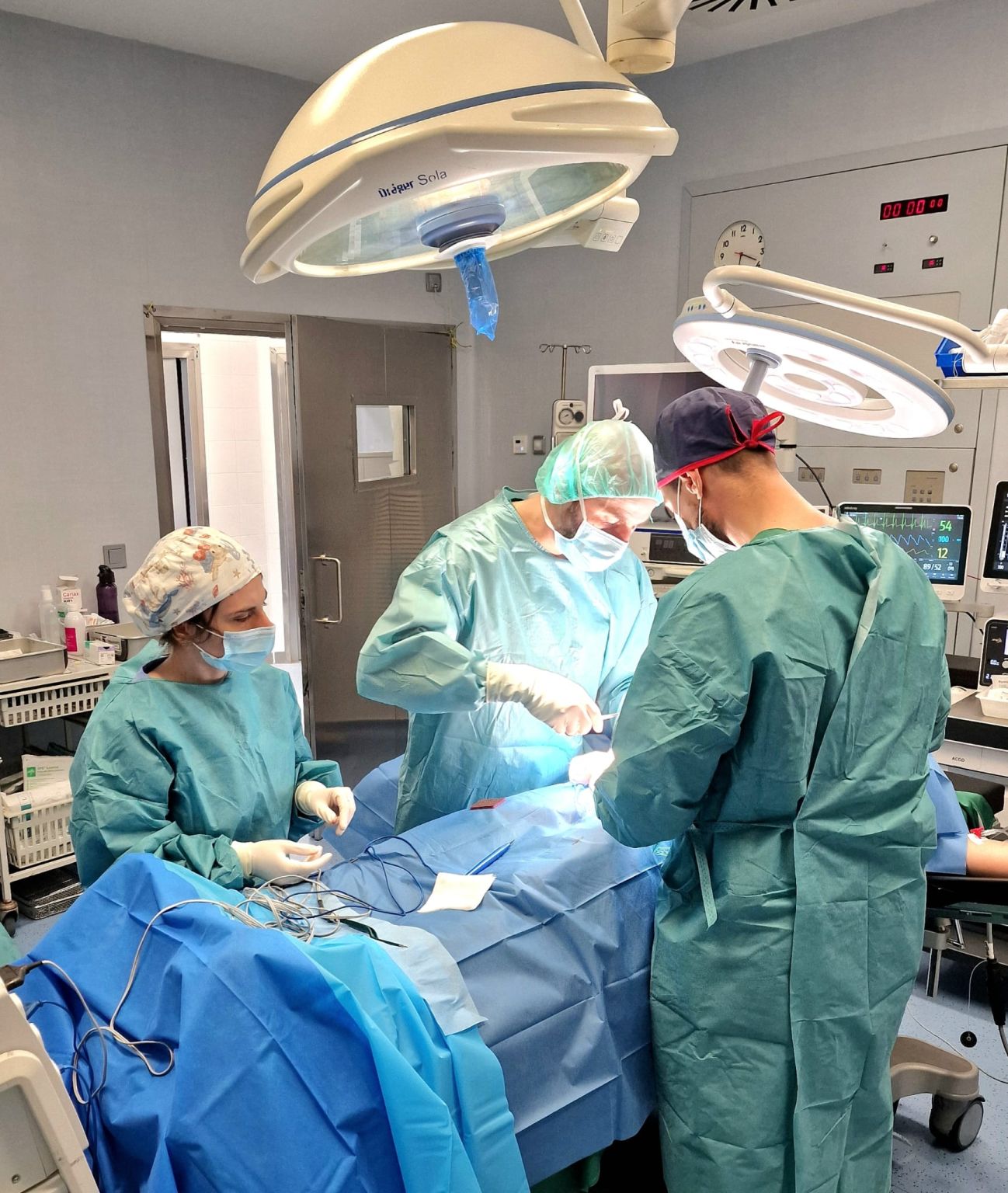
Held on March 26–27 at Hospital Clínic and the University of Barcelona, the course brought together national and international specialists in a highly practical format, including live surgeries, clinical sessions and complex case discussions.
A key setting for urology and andrology
The course addressed some of the most relevant challenges in modern urology, including erectile dysfunction, Peyronie’s disease, male urinary incontinence and reconstructive surgery.
Such events allow specialists to share experience and refine their techniques in real clinical scenarios, where precision and decision-making are essential.
Participation of Dr. Xavier Bonet, director in Mallorca
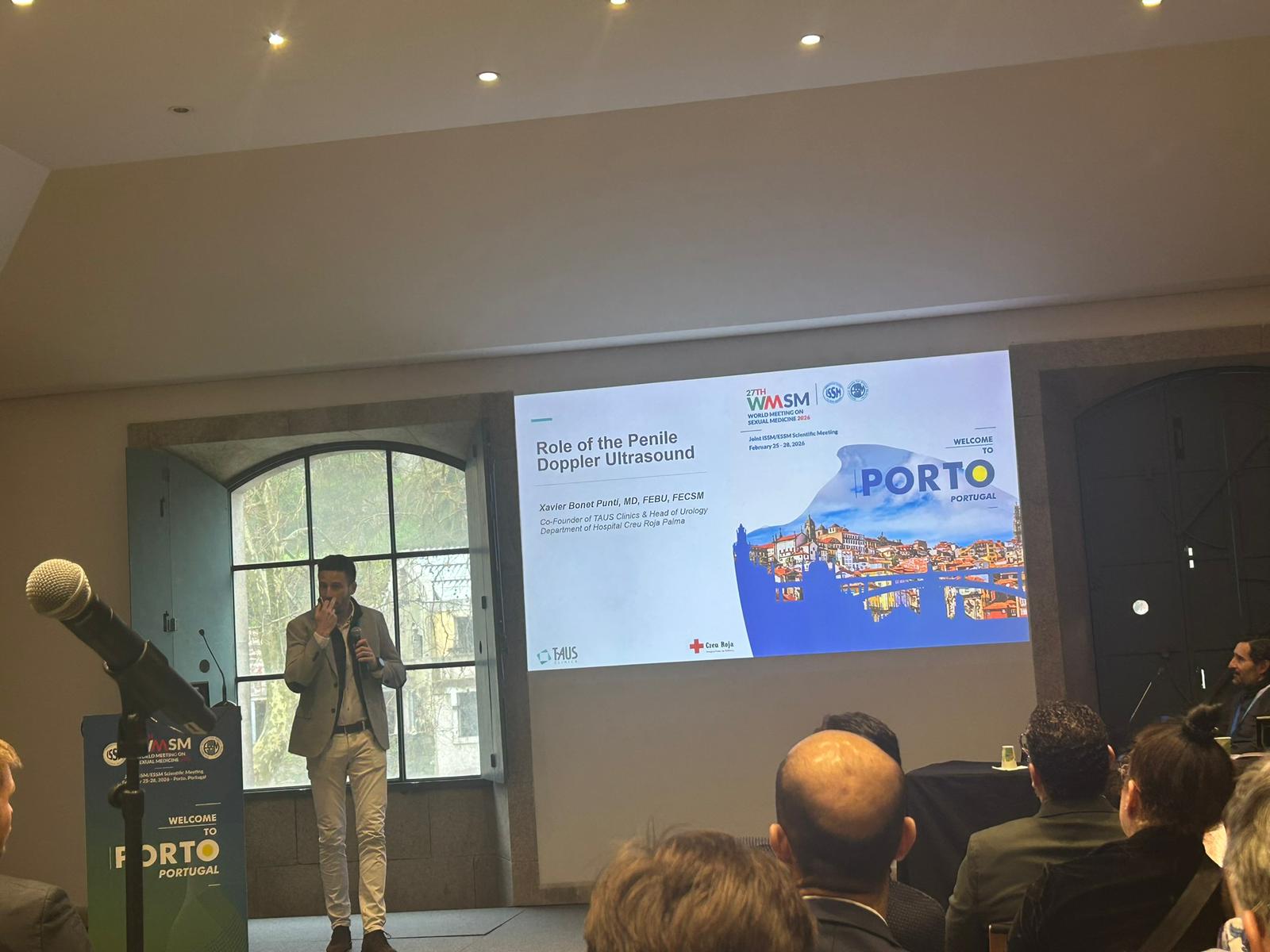
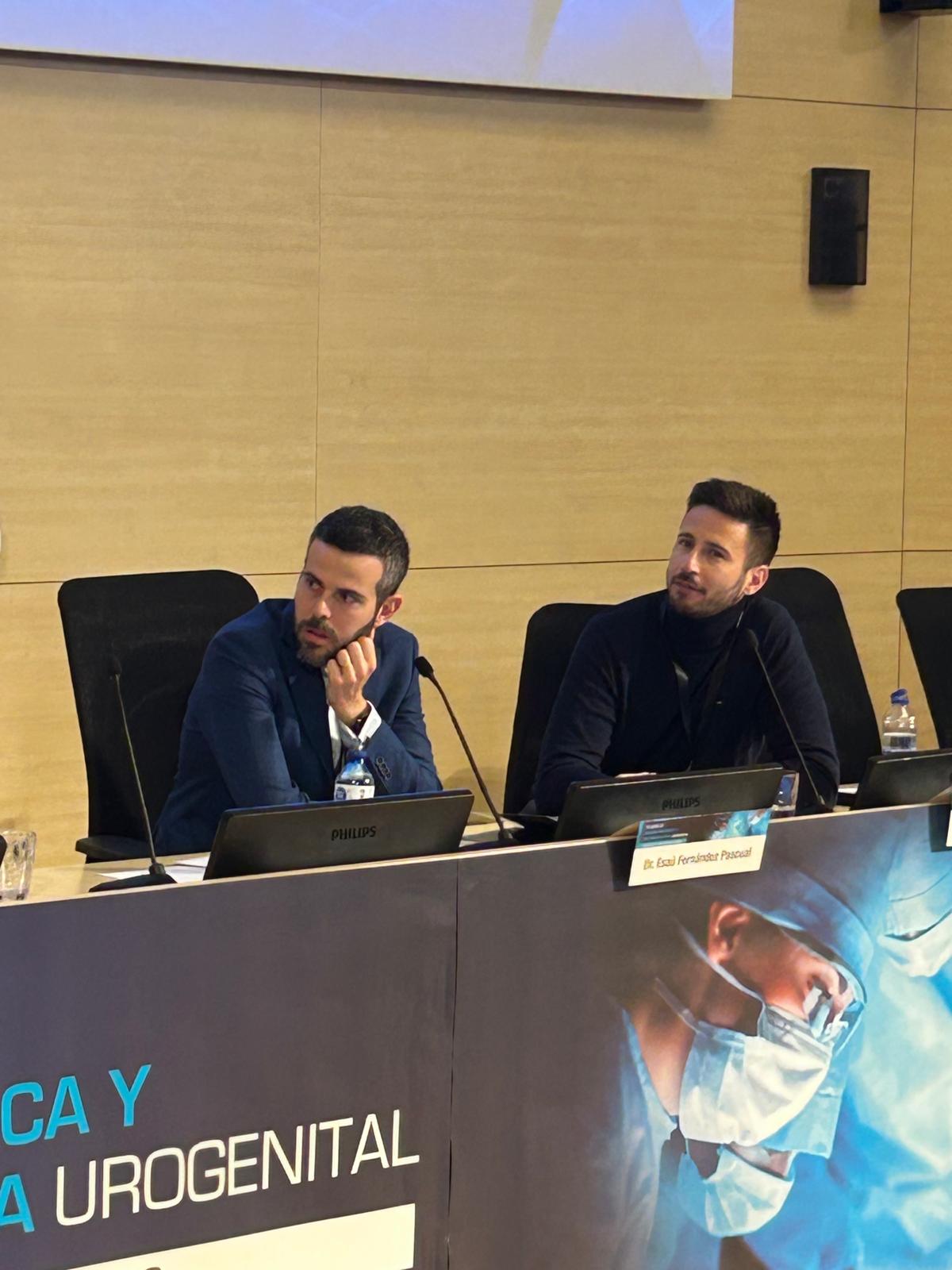
Within this context, Dr. Xavier Bonet, director of Andrology Mallorca at TAUS Clinics, attended the course as part of a group of specialists involved in this high-level scientific environment.
His presence reflects a strong commitment to continuous training in advanced andrology, particularly in areas such as reconstructive surgery and complex penile pathology.
Participation in this type of course allows the integration of the latest diagnostic and therapeutic advances into daily clinical practice, improving patient care and outcomes.
TAUS Clinics: a coordinated excellence model
The presence of Andrology Mallorca is part of the broader participation of TAUS Clinics, with specialists from Barcelona, Málaga, Valencia and Mallorca.
This collaborative model, based on continuous training, specialization and multidisciplinary work, reinforces its position in advanced urology and andrology in Spain.
Direct impact on patient care
Continuous training has a direct impact on clinical practice, enabling more precise diagnoses and more effective treatments, particularly in complex conditions within andrology in Mallorca.
For patients, this translates into safer, more personalized and evidence-based care.